

When the Heat Hits
Why Hydration Changes Everything This Time of Year
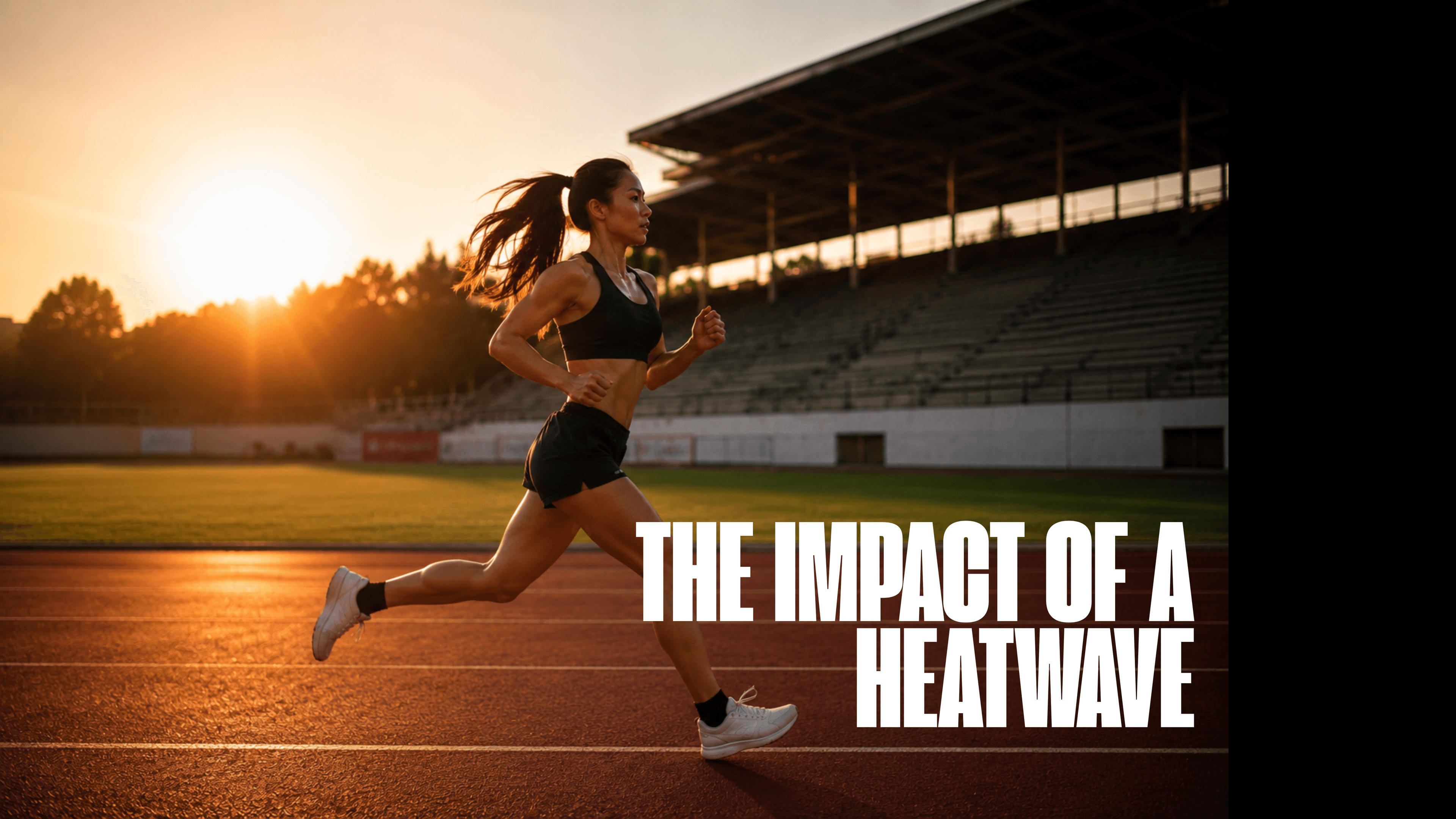
Temperatures are soaring above 30 degrees in northern Europe and with that is the first real test of the season for anyone training, racing, or just trying to get through a hot day. Warm weather feels like a green light to get outside and move more, but it quietly raises the stakes on something most of us underestimate: hydration. And hydration isn't just about feeling thirsty. It's one of the biggest hidden levers on how your whole body, and all its signals, behave.
What the heat does to training
When temperatures climb, your body works harder to stay cool. You sweat more, your heart rate runs higher at the same effort, and you lose fluid and electrolytes faster than you might realise. A pace or workout that felt comfortable a few weeks ago can suddenly feel brutal, not because you've lost fitness, but because your body is spending energy on cooling instead of performance.
Push into a heatwave without accounting for that, and you risk more than a bad session. Dehydration during hot-weather training drags down performance early, slows recovery, and at the extreme tips into heat exhaustion. The first hot days of the year are exactly when people get caught out, because their habits haven't caught up with the weather yet.
Everyday health, not just workouts
This isn't only an athlete's problem. A heatwave taxes everyone. Mild dehydration on a hot day shows up as fatigue, headaches, poor concentration, and that sluggish, foggy feeling that's easy to blame on a bad night's sleep. Older adults, children, and anyone working outdoors are especially vulnerable. Staying ahead of fluid loss, rather than chasing it once you're already thirsty, makes a real difference to how you feel and function across an ordinary hot day.
The part people miss: hydration skews your other signals
Here's where it gets interesting, and where it ties back to everything we care about at Performr. Hydration doesn't just affect how you feel. It quietly distorts the other biomarkers you might be tracking.
Think of your blood as a solution. When you're dehydrated, there's less water in it, so everything dissolved in your blood becomes more concentrated. Your glucose reading can tick up, not because you ate more sugar, but because the same amount is now packed into less fluid. Your heart rate climbs to keep blood moving with reduced volume. Heat and dehydration also nudge up stress hormones like cortisol, adding another layer of noise.
So during a heatwave, a single reading can genuinely mislead you. A glucose spike or an elevated heart rate might have nothing to do with diet or fitness, and everything to do with the fact that you're simply running low on water. Without knowing your hydration status, you could end up solving the wrong problem entirely.
Reading the full picture
This is exactly why we believe in looking at multiple signals together rather than fixating on one number. Hydration is the perfect example: it sits underneath so many other readings that ignoring it means misreading everything else. When you can see hydration alongside glucose, heart rate, and stress, those surprising numbers suddenly make sense, and you know whether to reach for a snack, ease off the pace, or simply drink some water.
So as this heatwave settles in, treat hydration as the foundation it is. Drink ahead of your thirst, replace electrolytes on long or sweaty sessions, and be a little kinder to yourself when hot-weather efforts feel harder than usual. Your body is managing a lot right now, and the more of its signals you can read in context, the better the decisions you'll make, in training and in everyday life.