

Introducing the New Performr Band
Smaller Sensors, Bigger Picture
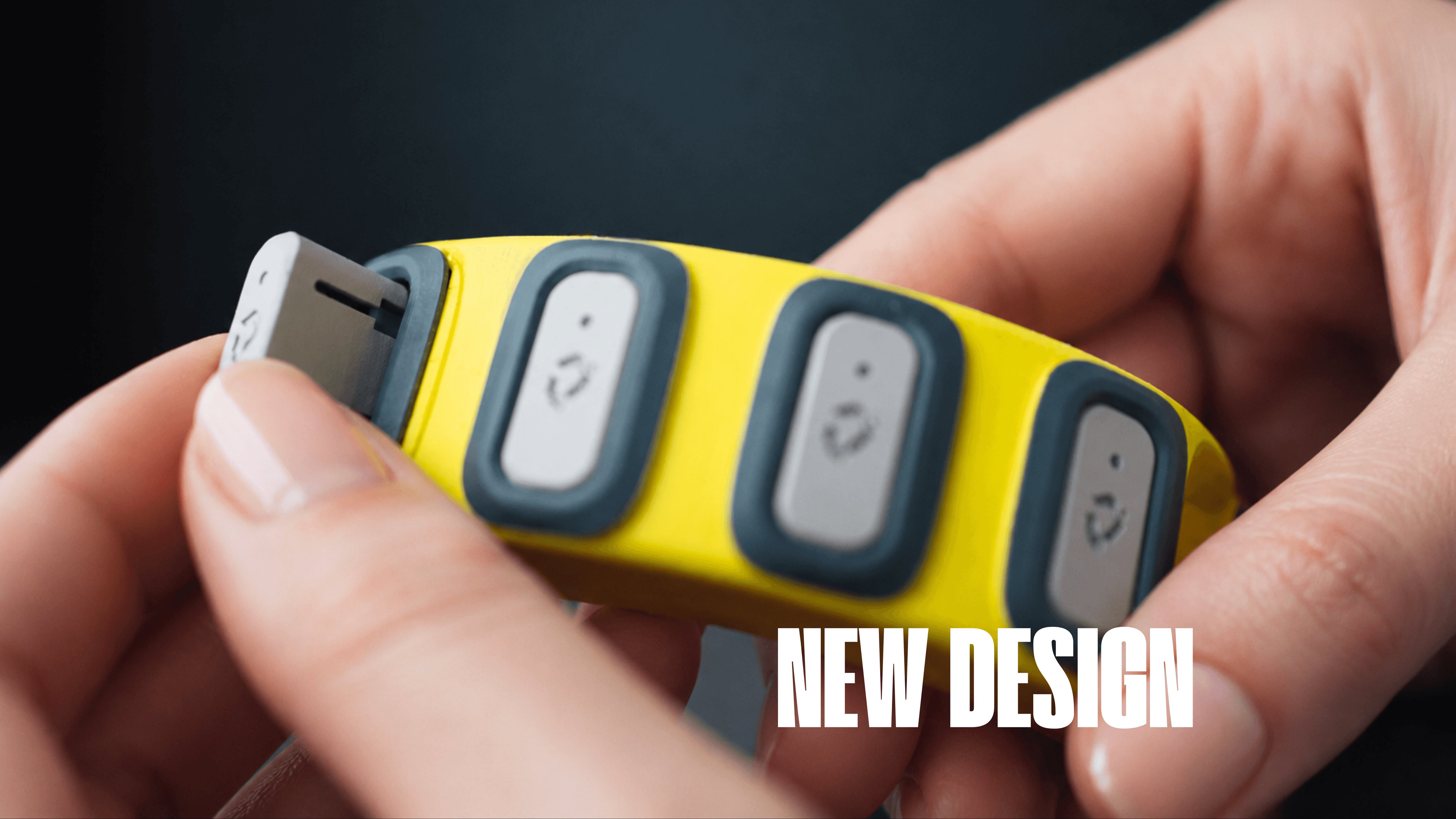
We've been rebuilding the Performr band almost from the ground up. Today we're excited to finally show you what we've been working on, and the short version is this: the new Performr band carries more sensing power than ever.
The challenge we set ourselves
When you're tracking multiple biomarkers at once, you need a lot of sensing hardware packed into a very small space. Our first designs proved the science worked. But let's be honest: early versions were chunky. They did the job, but they weren't something you'd forget you were wearing through a hard training session or a full night's sleep.
For a device meant to read your body continuously, that's a problem. The best data comes from a band you never take off, which means it has to be comfortable enough to never want to.
What changed: iteration after iteration
Getting here wasn't a single breakthrough. It was dozens of iterations, each one shaving off a little more bulk, refining the sensor layout, and rethinking how the electronics fit together. We prototyped, tested, broke things, and started again, more times than we'd like to admit.
The headline result: the sensor units are now over 85% smaller than our previous design. That's not a typo. By redesigning the sensing modules from scratch, we collapsed the hardware that used to dominate the band into something dramatically more compact, without giving up the multi-analyte capability that makes Performr different.
The knock-on effect is everything we hoped for. The band runs slimmer, sits flatter, and weighs less. And crucially, the band itself is now a similar width and height to the other heart-rate wearables already on the market. In other words, it no longer looks or feels like a prototype. It looks like something you'd actually want to wear every day, while quietly doing far more than a standard HR band ever could.
Athletes shaped this design
We didn't make these calls in a vacuum. Throughout development, we put prototypes on real athletes and listened closely to what came back.
Their feedback was direct and incredibly useful. They told us where the band caught during movement, where it pressed uncomfortably during long efforts, and where sweat and motion threw off readings. They pushed us on fit, on the strap, on how the band felt at hour three of a session rather than minute three. A lot of what you'll see in the new design exists because an athlete told us the previous version wasn't good enough yet.
That partnership is the reason the new band performs where it matters most: under real, sustained, sweaty, high-intensity use, not just on a lab bench.
Why this matters
A smaller band isn't just a cosmetic win. It's what makes continuous, multi-signal monitoring genuinely practical. The less you notice the Performr band, the more honestly it can read your body, all day, every day, across training and recovery alike.
We've always believed that understanding your health means reading more than one number at a time. Now we can deliver that in a form factor that finally gets out of your way.
This is a big step, and it's only the start. Huge thanks to the athletes who tested, criticised, and improved the Performr band at every stage. We can't wait to get the new design on your arm.